

The scale stops moving and your first instinct is to cut more food. Wait. Most plateaus have a boring explanation, and a short checklist usually finds it. This guide shows what is normal, what to check in order and the one small change to try. It is general information, not medical advice.
Key takeaways
- A scale that is flat for a few days is not a plateau. Look at 2 to 3 weeks of weekly averages.
- Check tracking accuracy first: oils, drinks, weekends and portions.
- Make one small change, not a big cut.
- If you have been consistent for weeks and nothing moves, talk to a clinician.
The 7-point checklist
- Is it a real plateau? Daily weight swings with water, salt, hormones and training. Use a weekly average and add waist measurements.
- Is your tracking accurate? Oils, sauces, drinks, bites and weekend meals are the usual hidden calories. Weigh or measure for a week.
- Is protein high enough? Aim for the range in our protein guide. It helps you keep muscle and feel full.
- Are you still lifting? Keep strength training in the plan, or you can lose muscle along with fat.
- How many steps are you getting? Daily movement often drops during a diet without you noticing.
- How is your sleep and stress? Short sleep and high stress make hunger and cravings harder.
- Has your deficit shrunk? A smaller body needs fewer calories, so the same intake gives a smaller deficit than at the start.
Mayo Clinic notes that plateaus are common and that the body adjusts as you lose weight (Getting past a weight-loss plateau).
What to change (one thing)
If your tracking is good and the stall has lasted two to three weeks, change one thing: a small calorie trim (commonly 100 to 200 calories a day) or a couple thousand more steps a day. Wait two to three weeks before judging. These are common rules of thumb, not guarantees. Avoid crash diets, which make it harder to stick with anything.
Consider a diet break
After many weeks of dieting, some people take a week or two at maintenance calories. It can give you a mental break and help you get back on track. It is not a free pass to overeat.
When to see a professional
If you have eaten consistently, trained and slept well for several weeks and nothing changes, check in with your doctor. A health condition or medication can affect weight. If tracking food makes you anxious or obsessive, it is OK to stop and talk to a professional instead.
How Hey Broski helps
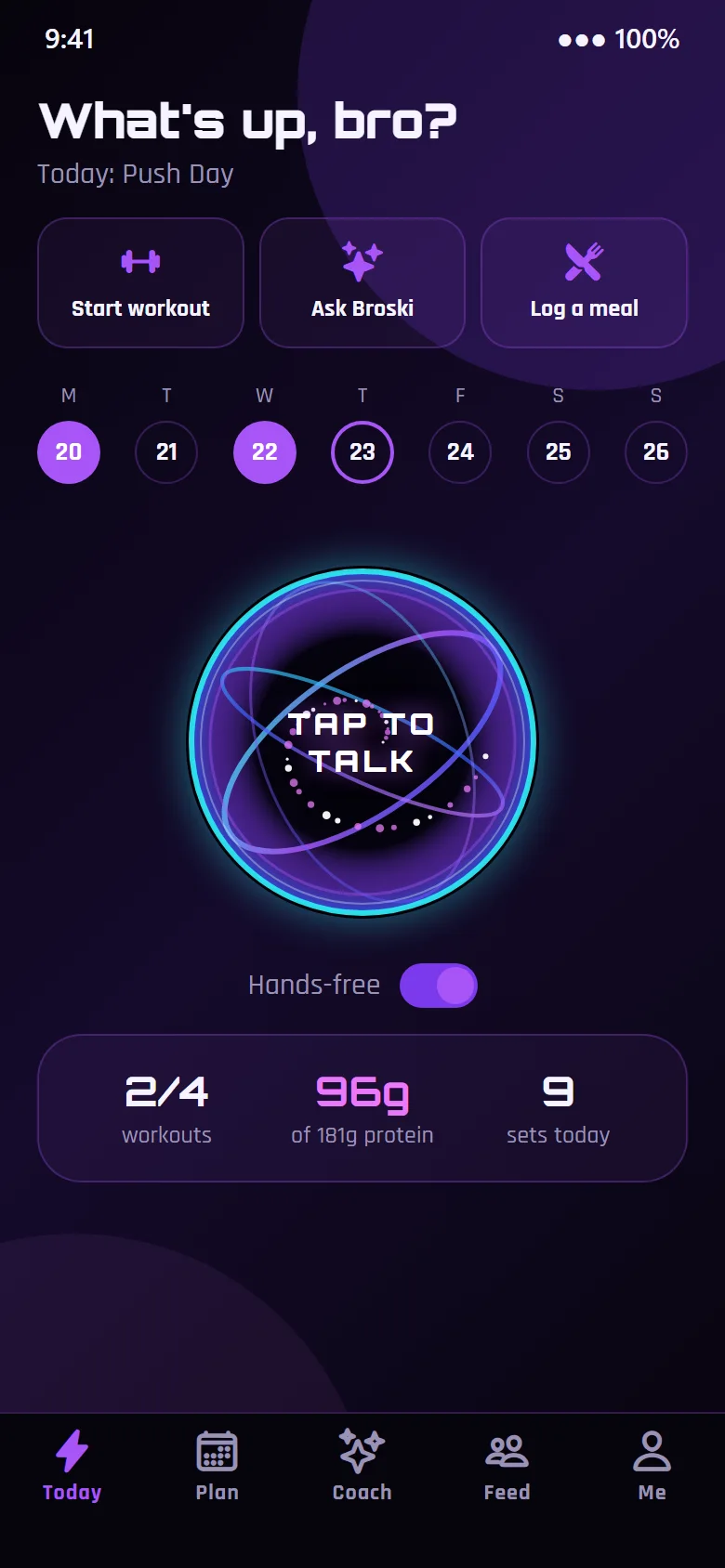
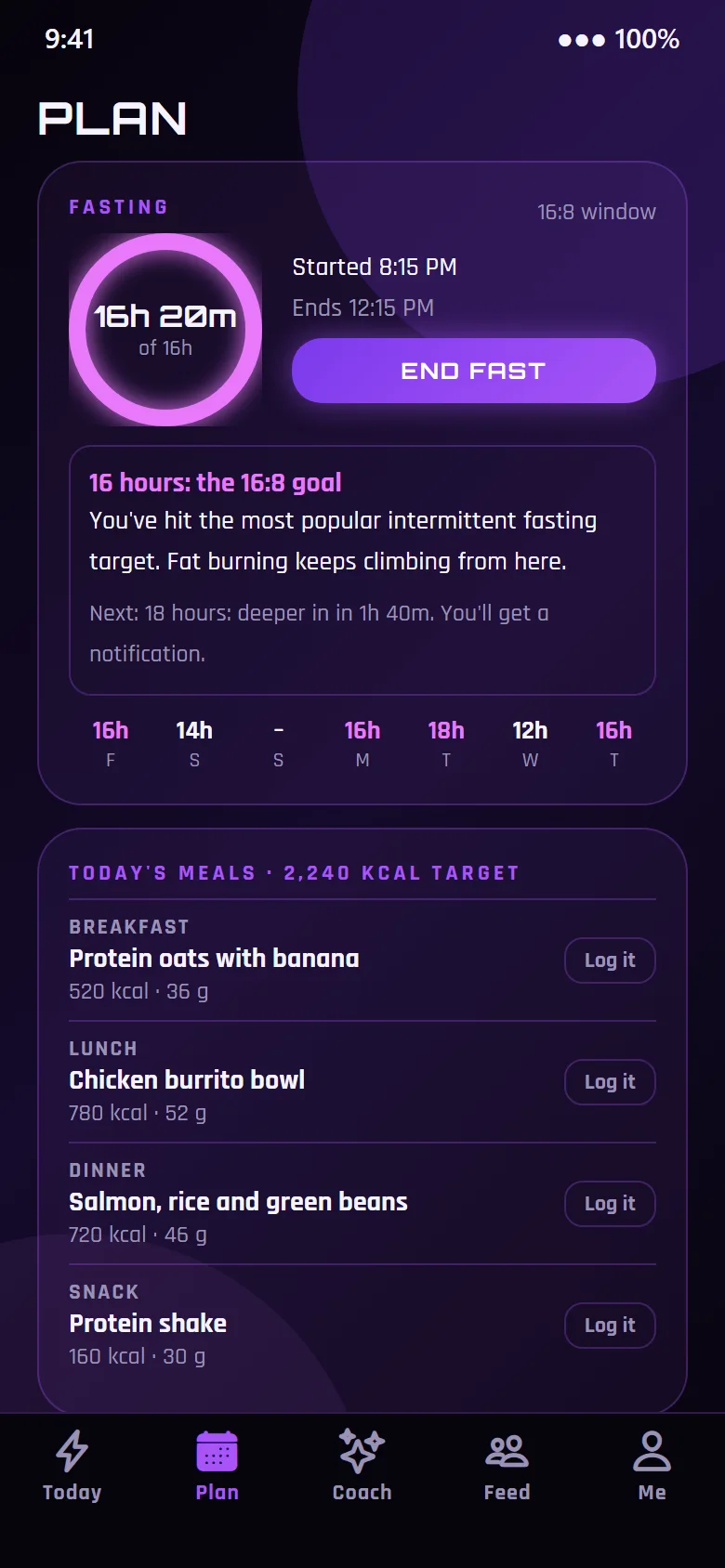
Hey Broski keeps the pieces in one place: meals and calories, your protein target, workouts and fasting. Log a meal by voice (“chicken and rice, 600 calories”), see your day on the Today screen and ask your coach what to check. Pro and Elite members can scan a meal photo for an editable estimate.
Get Hey Broski on Google Play A hands-free fitness logging app. No ads, and an AI coach when you want one. iPhone coming soon.
Frequently asked questions
How long does a weight loss plateau last?
It varies. Look at 2 to 3 weeks of weekly averages before deciding it is a real plateau.
Why am I not losing weight in a calorie deficit?
The common reasons are inaccurate tracking, a deficit that shrank as you lost weight, water retention and low daily movement.
Should I cut calories more when I plateau?
First check tracking, protein, steps and sleep. If you must change something, make a small adjustment.
Does lifting weights cause a plateau?
Not usually. Muscle gain and water changes can hide fat loss on the scale, so use measurements and photos too.
Keep reading
- How much protein per day: set your target
- Lifting vs cardio for weight loss: build a balanced week
- Intermittent fasting for lifters: an eating-window option
Choosing between apps? See the side-by-side comparison chart of eight AI fitness apps.
Get Hey Broski on Google Play A hands-free fitness logging app. No ads, and an AI coach when you want one. iPhone is coming soon. See what’s new.